The left-handed kitchen
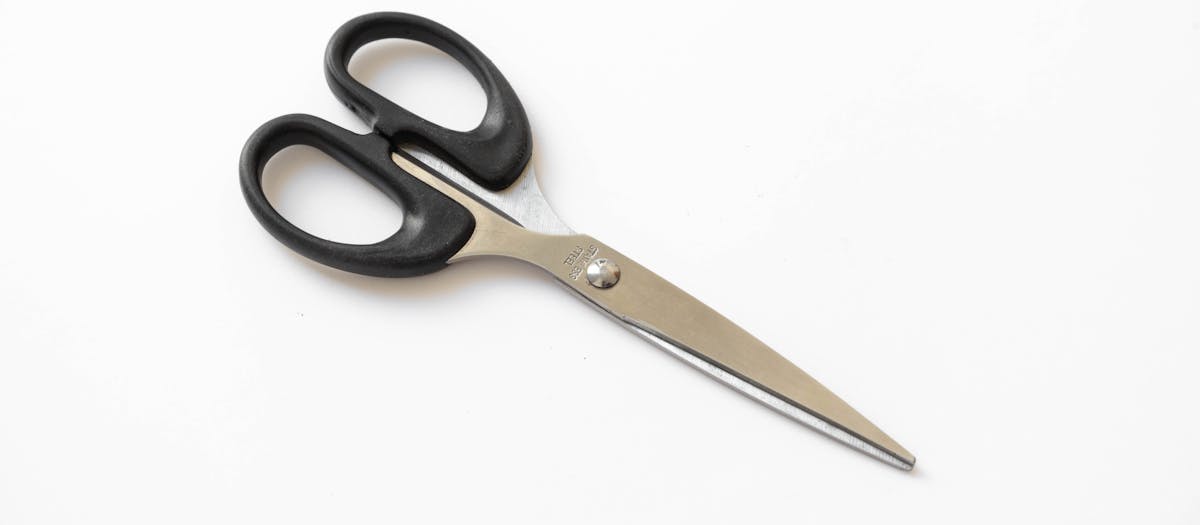
The kitchen is where the right-handed default world bites a left-hander hardest, because so many kitchen tools have a working direction. Scissors pass their blades in a handed order. Can openers turn one way. Many knives are bevelled on a single side. This hub explains which kitchen tools genuinely matter for lefties, which are symmetric and a waste of money to "left-hand", and how to read each one — using the same three-label system the whole site runs on.
The three labels, in the kitchen
Every product we cover gets one of three labels, based on what is actually mirrored — not on what the box says. They matter more in the kitchen than almost anywhere else.
- True left-handed — the working part is genuinely mirrored. On scissors, the upper blade sits on the left and the bevel is reversed. On a single-bevel knife, the grind is on the opposite side. This is the real upgrade, and it is worth paying for.
- Ambidextrous — symmetric, works either hand with no penalty. A dual-bevel chef's knife is the clearest case: most Western knives are ground both sides, so they are already fine for a left-hander. There is nothing to mirror, and nothing to pay extra for.
- Mirrored / converted — a right-handed item flipped or relabelled. This is where the lefty tax hides. A "left-handed" scissor that is really a right-handed blade with a soft symmetric handle is not left-handed at all. We flag every one.
Where handedness matters in the kitchen
Scissors and kitchen shears — it matters a lot
Scissors are the clearest case in the whole house. A right-handed pair used in the left hand hides the cutting line and bends the material instead of slicing it, because your squeeze pushes the blades apart. A true left-handed pair reverses the blades so your line of sight is clear and the squeeze pulls the blades together. If you buy one left-handed thing for your kitchen, make it scissors. The best left-handed scissors guide compares the options, including the kitchen shears built for poultry and packaging.
Knives — it depends on the bevel
Most Western chef's knives are dual-bevel, ground equally on both sides, so they are genuinely ambidextrous and a left-hander needs no special version. The exception is single-bevel knives — many traditional Japanese styles like a yanagiba or usuba — which are ground on one side only and are made specifically right- or left-handed. If you cook with single-bevel knives, the handedness is real and you want the mirrored version. For an everyday dual-bevel knife, save your money.
Can openers and peelers — it matters
A manual can opener turns one way and is held the other, so a true left-handed opener mirrors the whole mechanism. Y-peelers are usually symmetric, but a swivel peeler with a single-side bevel has a direction, and a left-handed version peels away from you cleanly instead of fighting your wrist. Both are worth a true left-handed pick when you find a good one.
Featured guides
The current published guides in this category. More land each batch.
Landing next: Best left-handed can opener, Best left-handed kitchen knife, and Left-handed fabric scissors.
Where it does not matter (skip the lefty tax)
Plenty of kitchen tools are symmetric, and a "for lefties" label on them is pure marketing. Tongs, spatulas, whisks, chopsticks, most measuring cups, and dual-bevel knives all work the same in either hand. Spend nothing extra on these. Put your money into the scissors, the can opener and — if you use them — single-bevel knives, where a real mirror does real work. Once the kitchen is sorted, the same thinking carries to the desk: a left-handed kitchen shopper is usually a left-handed everything shopper, and the left-handed mouse guide applies the identical "is it mirrored or just relabelled" test to your desk.